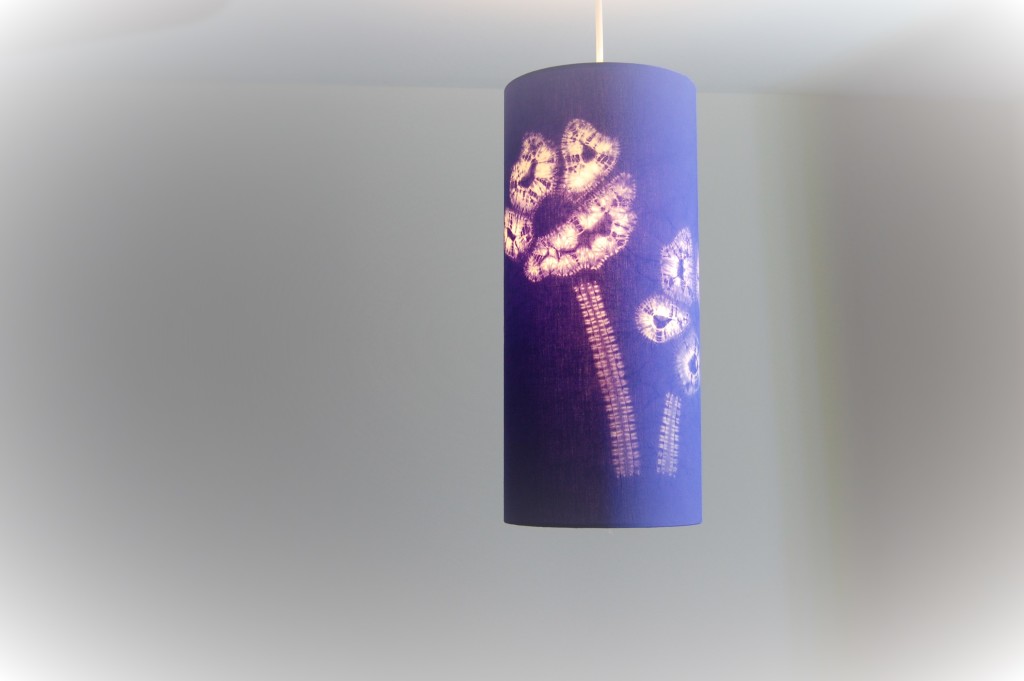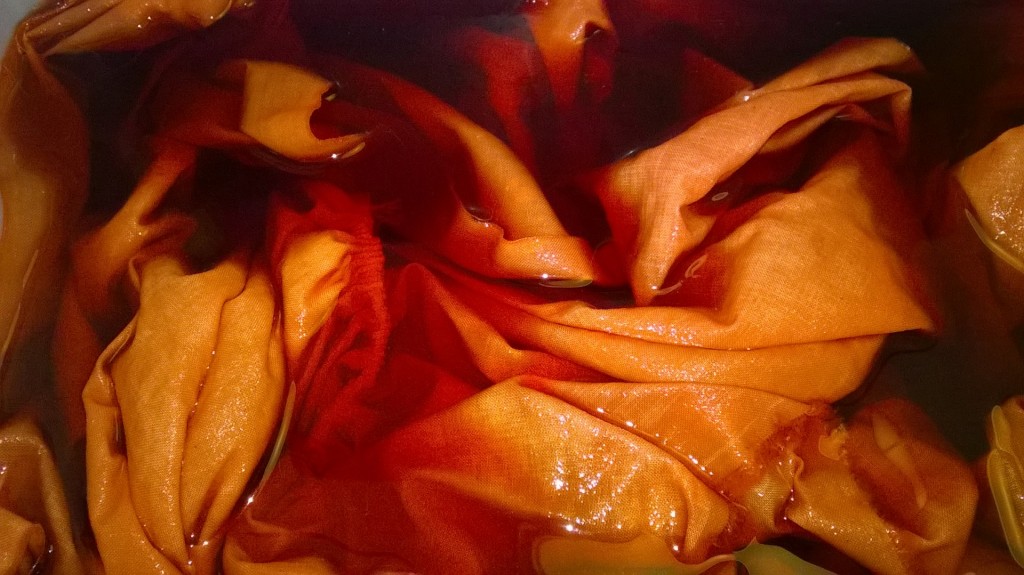
I have received a query about how to shibori with natural dyes. What are the best dyes to use and what effect they have on shibori stitching and designs? As many natural dyes require simmering at high temperatures and immersing in a dye bath for a considerable time does this have an effect on the final result?
I love getting questions in my email inbox about shibori. I believe sharing my knowledge is a great way to increase everyone’s skills and enjoyment of their creativity. All my answers are based on my experience over the years. From the mistakes as well as the successes. And sometimes it is the mistakes that teach me the most.
General Information About Shibori Dyeing with Natural Dyes
Firstly, I always have prepared a batch of fabrics in different sizes and lengths that I have mordanted with alum acetate if they are cotton and with alum sulphate for wool and silk. They are all ready for when I want to create shibori using natural dyes. The mordanted fabrics can be stored more or less indefinitely.
Mordanting is the process of preparing the natural plant dyes to take the dye colour and helps the dye become more permanently fixed to the cloth. This process is not needed when dyeing with indigo.
I advise buying a good book on natural dyeing. I highly recommend Jenny Dean’s “Colours from Nature” 2nd revised edition. So simply set out, not full of arty photos, but chock-a-block with all the information needed to ensure successful natural dyeing.
You can buy it here in the USA
Information on Different Dyes
Natural Indigo
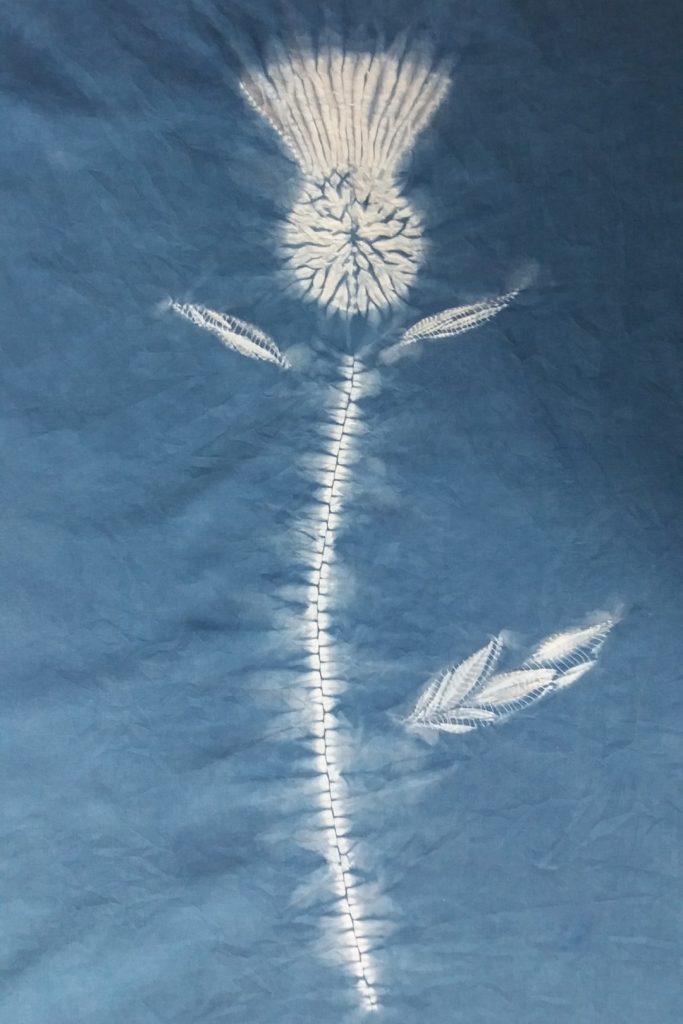
Indigo is the go-to dye for shibori. It is the traditional dye used in many cultures and by many peoples around the world. The process of indigo is different from any other dye and this process ensures you will always get great results from shibori with indigo dyeing. Very clear definition and pure whites are achieved with dyeing shibori with indigo.
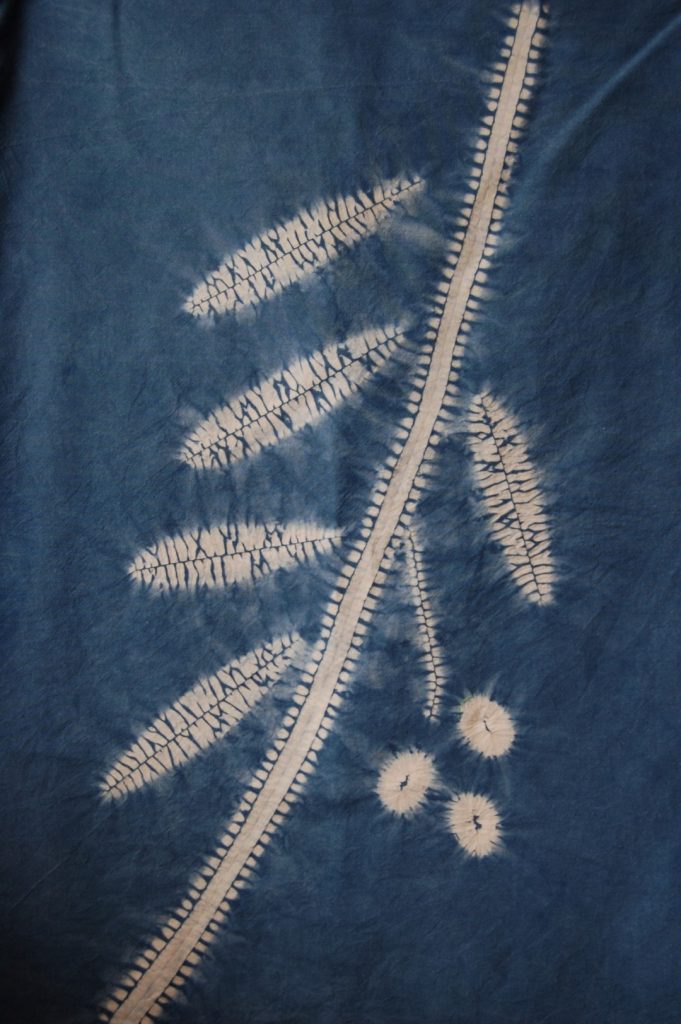

Madder Root Dye
I have completed many successful shibori projects with madder root dye. Sometimes I get different shades depending on the fabrics I have used and I can’t explain why! Advice to self; keep better records.
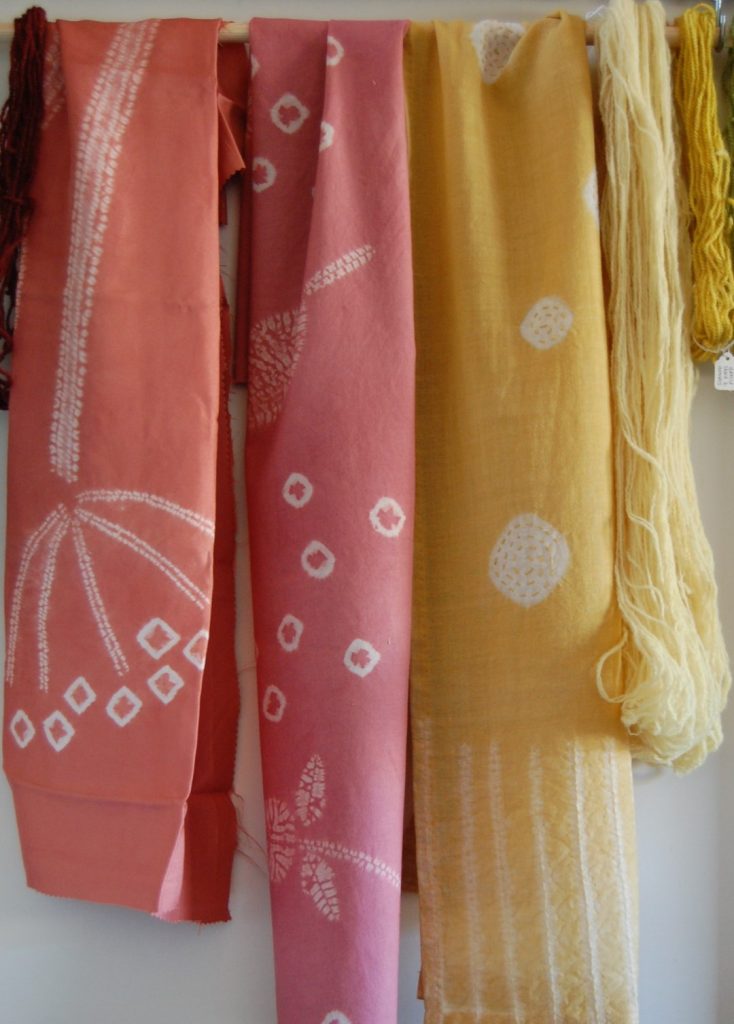
Where madder is most useful for shibori is that you keep the dyeing temperature lower for this dyestuff. The dye bath is slowly raised to 50 to 60 degrees C and kept well below simmering point. I usually use madder extract but have used roots and powdered madder too. The patterns stay clear and well defined as these fabrics show.

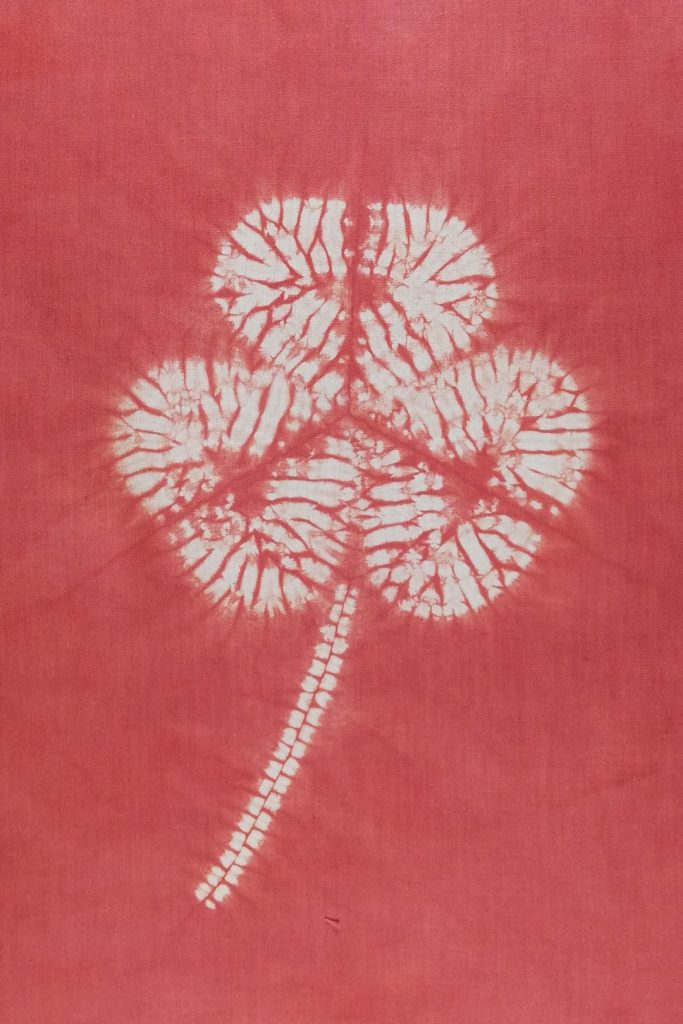
My favourite plant dye is madder root and I love to create shibori designs with it.
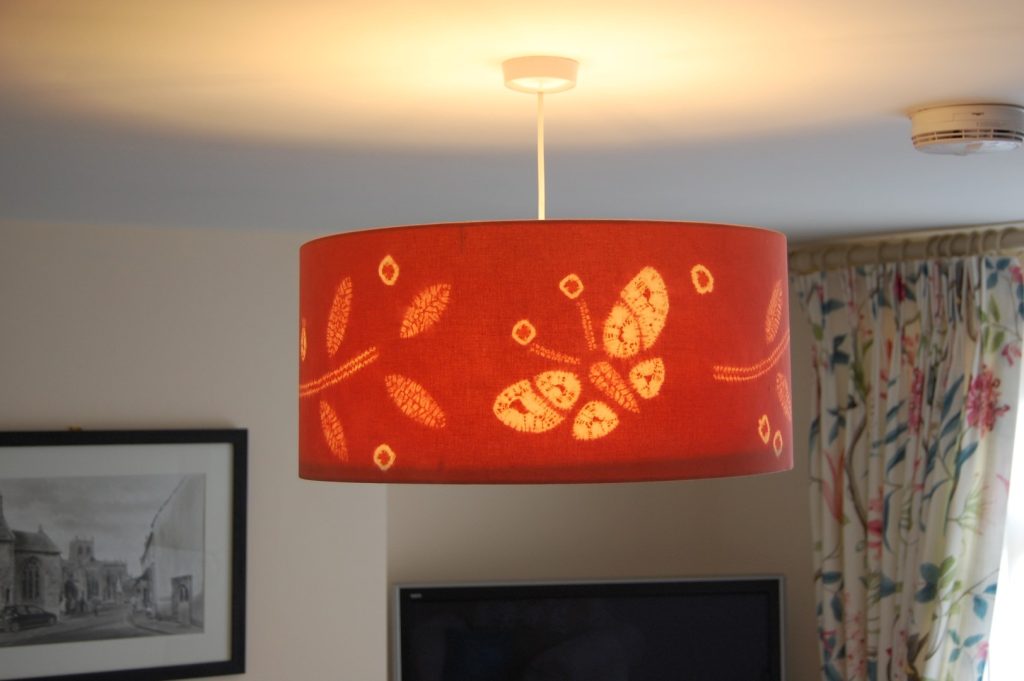
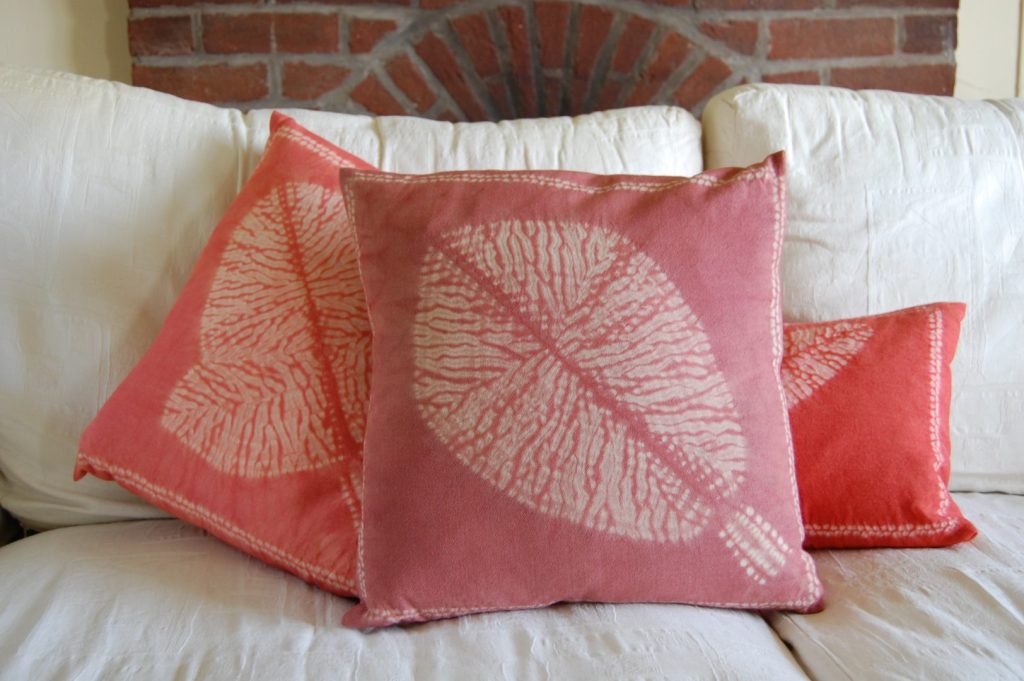
Logwood
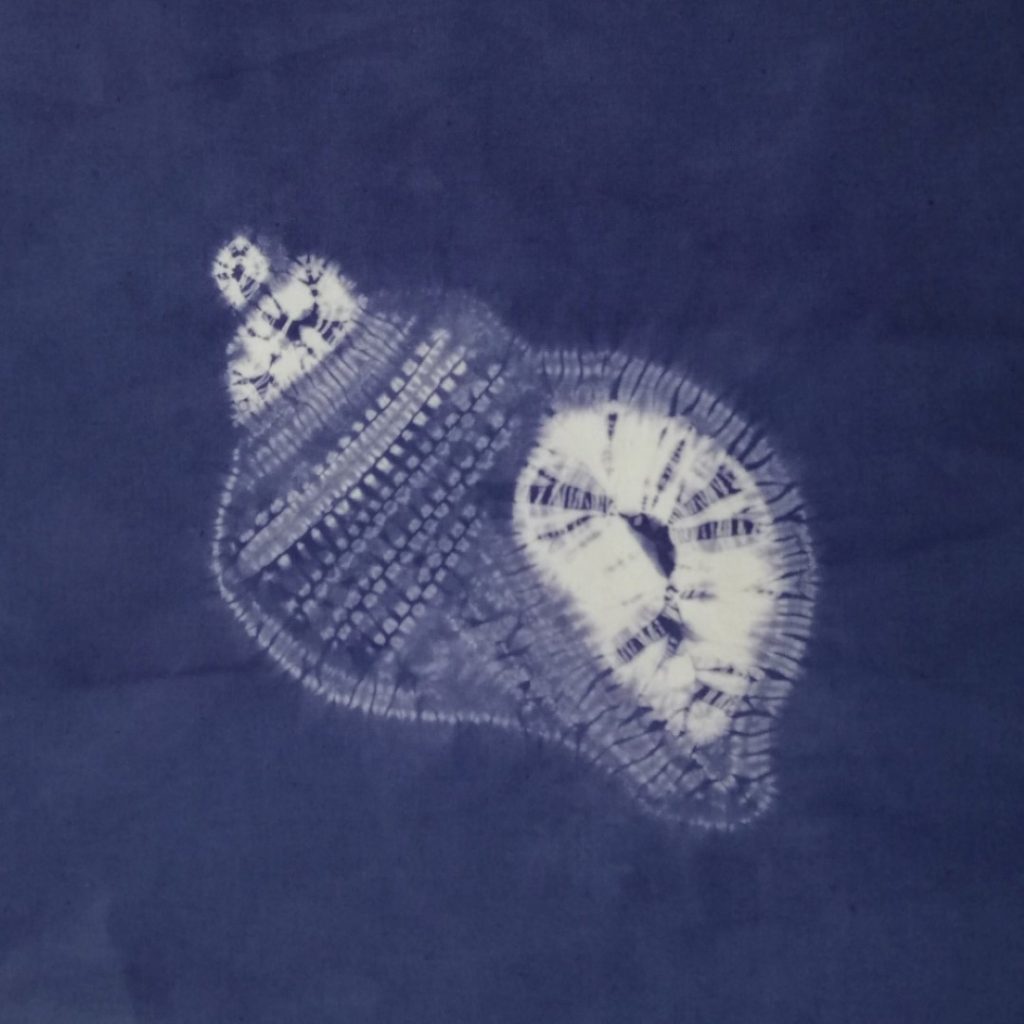
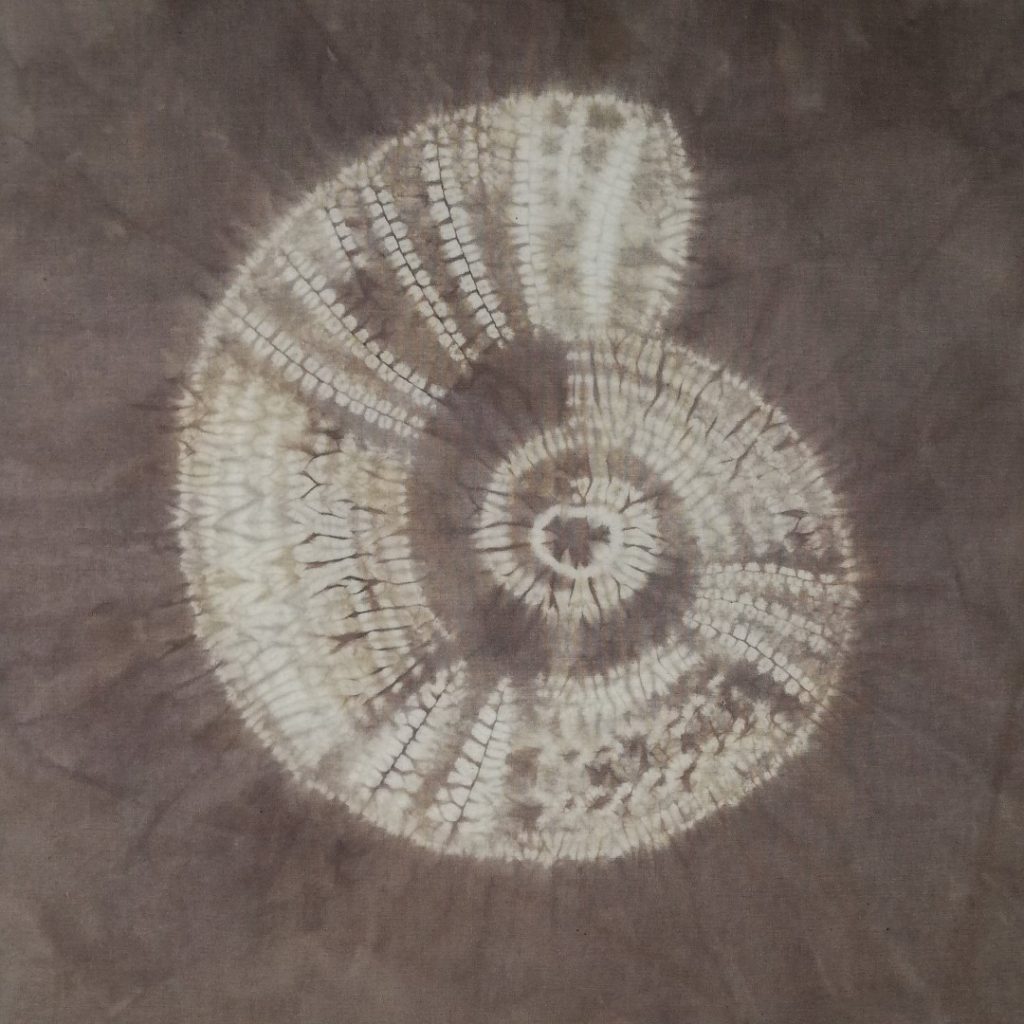
Two examples here of shibori using logwood. Colours I achieved are variable from purple to grey/brown. This dye does change colour over time though this can be mitigated with using a higher proportion of alum to mordant the fabric. It starts as a purply grey and loses some of the blue as time passes.
Onion Skins
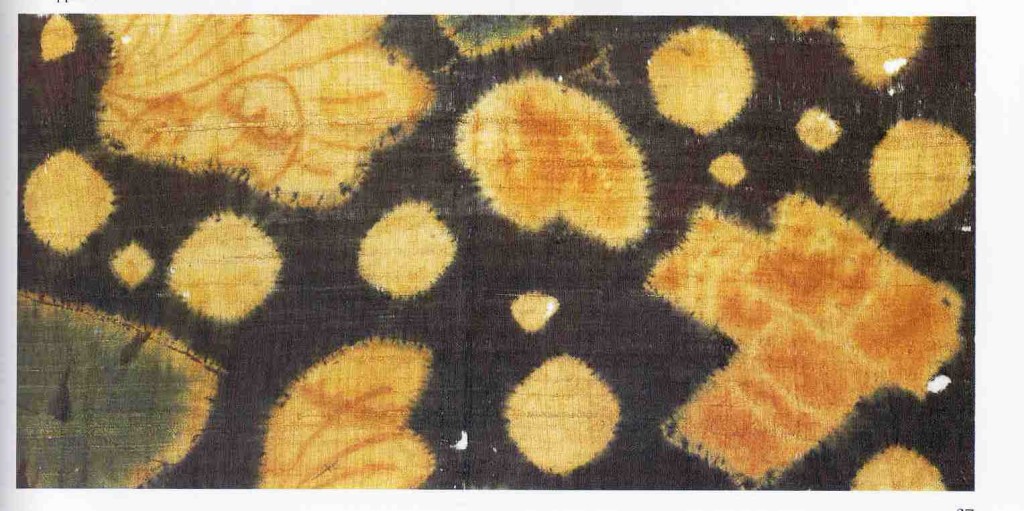
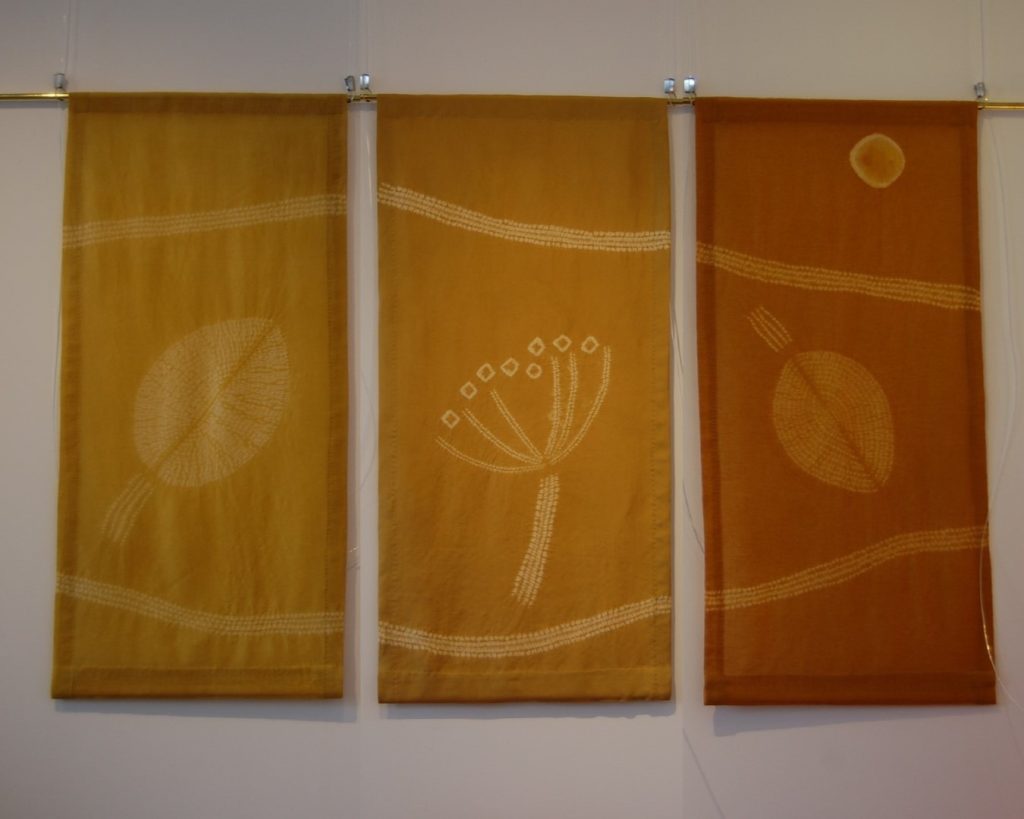
I have had success with this on wool and silk and gives the most beautiful golds. Examples are shown here.

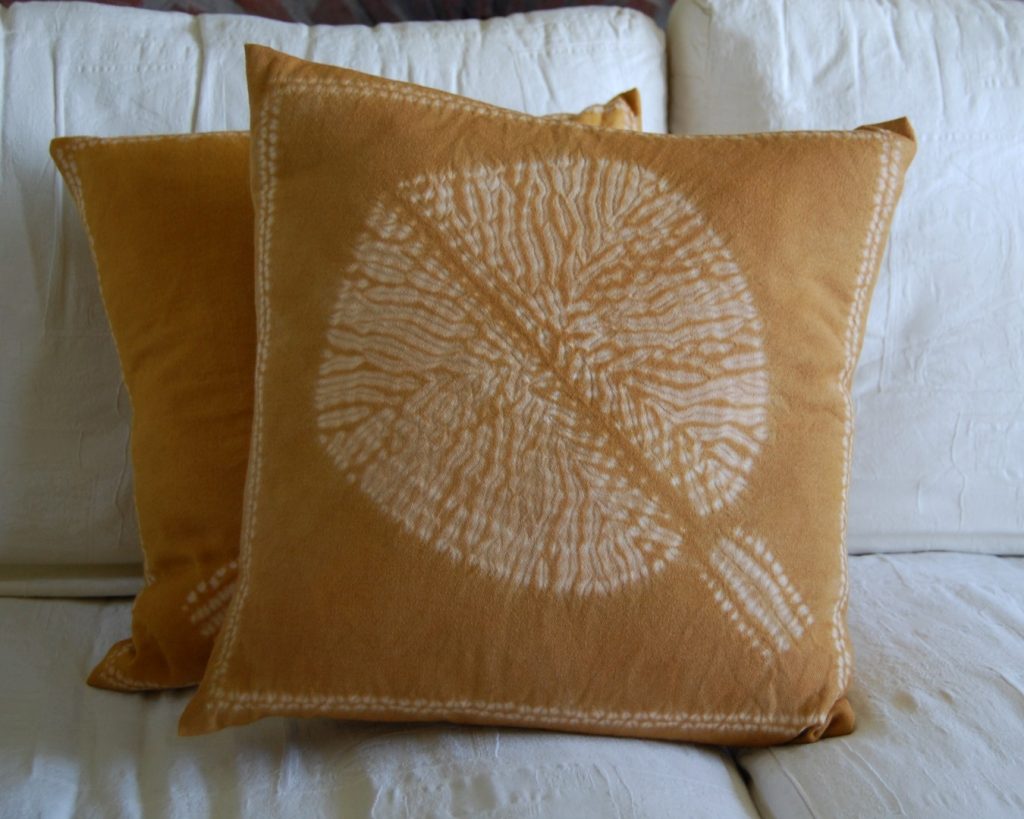
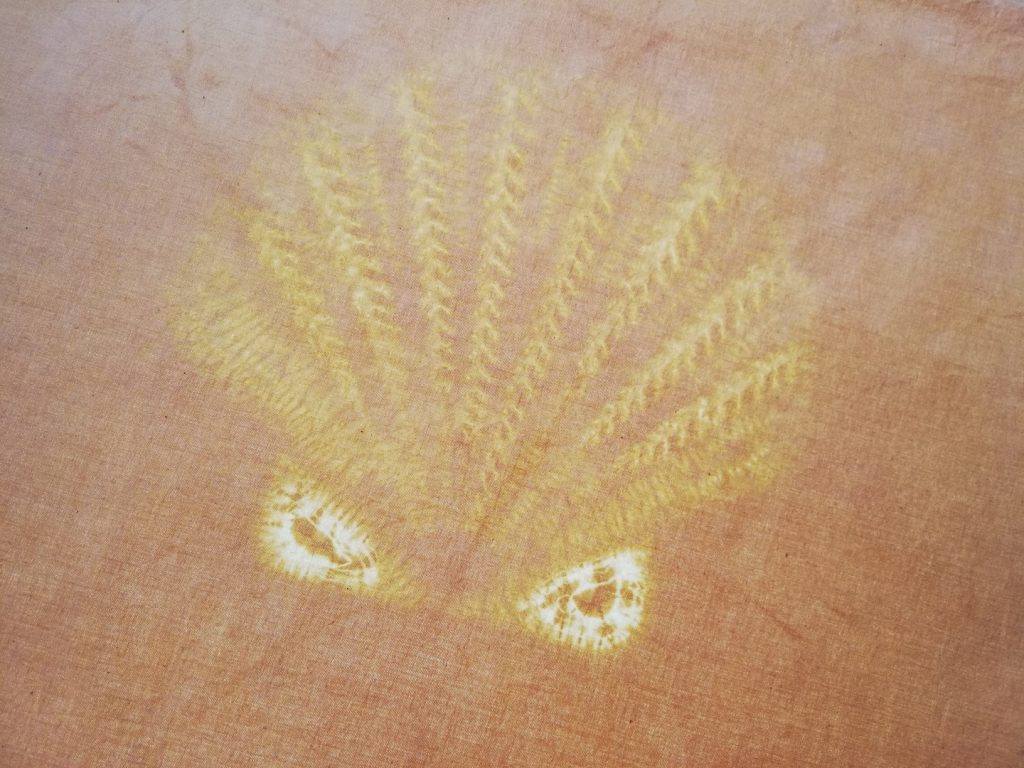
But I have lost definition of my shibori patterns on cotton. For dyeing cotton, you need a higher amount of dyestuff to weight of fabric. In the case of this shell design, I found the percentage of dye stuff was not giving me strong enough colour, so I added more onion skins and kept the fabric in the heated dyebath for longer. This is where I went wrong, it was immersed too long, and this caused the dye to penetrate some of the shibori stitching. The result is quite interesting but too faint and not what I wanted at all! Therefore, I would advise using higher amounts of dyestuff from the very start.
Other Plant Dyes, Cutch, Fustic, Alkanet Etc
With all these I have wonderful shibori results with wool and silk but have not experimented with them on cotton. Paler yellows will give good results on wool and silk but are likely to lack definition on cotton.

Advice For How to Shibori with Natural Dyes
- For cotton, use dyes that are strong in colour, madder, logwood, rhubarb root.
- Remember the affinity of natural dyes with wool and silk. You will always get good results with shibori and natural dyes on silk and wool.
- Avoid pale fugitive dyes such as avocado skins, elderberry and other berries which fade very quickly. You are wasting your time to stitch shibori and these dyes!
- Ensure you have a high proportion of dye stuff to dry weight of fabric when dyeing cotton
- Keep in the dyebath for the minimum period of time at a simmer up to 45 mins
- Make accurate records of experiments and use the same fabric and same dye quantity each time to ensure the same colour. Something I don’t always do!
- Buy a clear and well-illustrated book on natural dyeing
Finally, I am hoping that my tips will help you explore using natural dyes with your shibori stitching. Additionally, that you find some of the images I share inspirational. It can be a wonderful lifelong adventure to work with natural dyes.
FREE Shibori Pattern Guide

Join my newsletter mailing list and download a FREE pattern for a Eight Petal Flower.